




5 Essential Vitamins for Managing Varicose Veins
Healthy eating is one way to improve different parts and organs of the body to enable them to function in a healthy way. In this vein, health is crucial, and healthy eating practices can reduce the risk of varicose veins. The good stuff you put into your body not only impacts the look-good-feel-good factor but also impacts everything from blood circulation to cholesterol, inflammation, weight management, and potential venous diseases. There may be various venous problems, but the most common is varicose veins, which are unsightly bulging veins that lead to painful symptoms. You can prevent varicose veins or manage their pain and appearance.
A standard body weight, physically active routine, rest to the limbs, some particular vertical leg lifts, and vitamins can help varicose veins. Let’s focus on the importance of making informed choices about supporting vein health with nutritional supplements. The vitamins and nutrients required to function and maintain health are already present in many of the healthful meals taken. So, by all means, eat plenty of whole grains, seafood, leafy greens, and foods high in fiber. However, it's also available as a dietary supplement. Being aware of which vitamins aid in treating varicose veins will help you take charge of your life going forward.
Varicose veins—an understanding
Varicose veins are twisted, ropelike, discolored, bulging veins that can develop on your legs. It is a common venous illness for both men and women, but more so among women. For those who aren’t in any pain as a result of these varicose veins, they are simply seen as an odd fact of life. They hesitate for a short dress or for a bikini season. It is how it is; accept it as it is and move further to give veins better health with care and nutrition. Varicose veins can be a severe condition if left untreated.
Your legs develop varicose veins due to a problem with blood flow. The veins in your body are a network of strong vessels that are only meant to return blood to the heart while defying gravity. However, robust veins are always capable of the job. The issue arises when your veins are unhealthy, which is typically caused by poor eating habits, advanced age, alcoholism, smoking, obesity, extended periods of standing or sitting, etc. Instead of freely flowing through veins to support vital cardiovascular systems, blood can flow in the opposite direction and start to pool in your extremities.
Your veins start to expand, swell, stretch, and even twist for this reason. A range of symptoms that may affect your quality of life follow.
Symptoms.
- Sore and heavy feeling in legs
- Burning sensation
- Muscle cramping
- Swelling
- Pain after sitting or standing for long periods
- Prominent veins, mostly purple or blue colored veins
- Itchy skin
Diet decides the proper functioning of all body parts. Therefore, it is essential to know what to eat and what to avoid. Before discussing the best vitamins for varicose veins, let's know the food that needs to be avoided to avoid varicose veins.
- Fried food and junk foods like pizza, french fries, chips, fried chicken, soft drinks
- Foods with extra salt and sugars
- Refined carbohydrates
- Excessive consumption of caffeine
- Excessive alcohol and smoking
Best vitamins for varicose veins?
While it's important to avoid unhealthy foods like the ones listed above, it's also imperative to replace them with healthier options and vitamin supplements that help you maintain a healthy BMI, boost your energy so you can stay active, and promote overall blood circulation.
Vitamin C
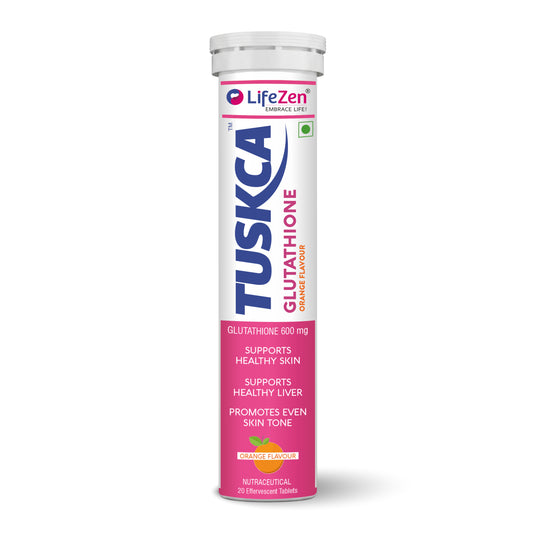
Being a super immunity booster, vitamin C is a key antioxidant in reducing inflammation, improving circulation, and keeping your veins strong. With the aging process, the body’s natural ability to produce collagen drops, and as a result, it may damage veins. Vitamin C slows down the aging process. You can find a good amount of vitamin C from citrus fruits and veggies. Onions, spinach, tropical fruits, potatoes, peppers, and broccoli are good sources of vitamin C, and vitamin C supplements like Tuskca Vitamin C with zinc can be a good alternative.
B vitamins, or vitamin B complex
B vitamins include eight vitamins like B5, B6, B7 (biotin), B2 (riboflavin), and B1 (thiamin), B12, B3, and B9. These vitamins are great in various ways, like lowering cholesterol, improving blood circulation, and eliminating the threat of blood clots. Vitamins B3 and B12 are known to repair damaged varicose veins when taken consistently over time. The best sources of vitamin B include meat, dairy products, legumes, leafy greens, and Tuskca Multivitamin.
Vitamin K
Vitamin K is not as well-known as the other vitamins on our list, but it is essential in the treatment of varicose veins. This includes capillary strengthening and even the prevention of varicose veins. Leafy foods, eggs, lettuce, and broccoli are also high in vitamin K.
Vitamin D
Vitamin D plays an important role in keeping your blood vessels healthy. It helps lower inflammation and may protect the inner lining of veins and arteries and reduce the chances of damage or weakening. Research from the National Library of Medicine suggests that low vitamin D levels are associated with a higher risk of cardiovascular disease and even increased mortality. Maintaining adequate vitamin D levels can therefore support better circulation and reduce strain on your veins.
Vitamin E
Vitamin E inhibits deep vein thrombosis (blood clots), particularly in women, by preventing plaque development and keeping blood from becoming too thick and sticky. Mangoes, avocados, olive oil, pumpkins, nuts, seeds, salmon, and dark leafy greens are high in vitamin E.
Varicose veins don’t heal on their own; however, you can prevent them completely and their appearance by care and caution. Workout regularly, quit a sedentary lifestyle, avoid smoking, choose healthy eating, and focus on the vitamin supplements mentioned above to improve vein health.